
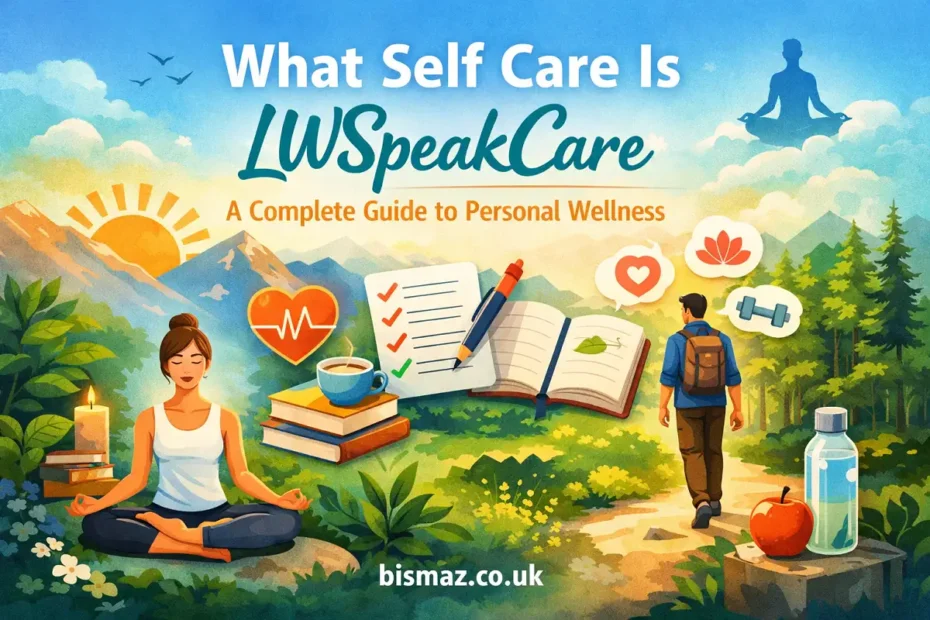
In today’s fast-paced world, stress, burnout, and mental overload have become part of everyday life. Between digital distractions, work pressures, and personal responsibilities, many people feel constantly drained. This is why self-care is no longer considered a luxury; it is a necessity. The LWSpeakCare approach to self-care focuses on nurturing the whole person. Instead of treating wellness as occasional relaxation or indulgence, it emphasizes sustainable habits that support emotional balance, mental clarity, and physical health. This guide explains what self care is in LWSpeakCare, why it matters, and how you can build practical habits that improve your overall well-being.
What Self Care Is LWSpeakCare?
Self-care refers to intentional actions that maintain and improve your physical, emotional, and mental health. Within the LWSpeakCare framework, self-care is viewed as a holistic wellness practice that strengthens self-awareness, resilience, and long-term well-being.
Rather than focusing only on temporary comfort, LWSpeakCare encourages habits that create lasting emotional stability and healthier daily routines.
Core Principles of LWSpeakCare Self Care
Mindful Self-Attention
Being aware of your thoughts, emotions, and physical needs.
Emotional Well-Being
Understanding and expressing feelings in healthy ways.
Healthy Boundaries
Protecting your energy and prioritizing what truly matters.
Sustainable Routines
Developing habits that support long-term wellness instead of short-term relief.
Why Self Care Matters More Than Ever
Modern lifestyles expose people to constant stress triggers — deadlines, digital overload, financial pressures, and social expectations. Without self-care, these stressors can lead to burnout and mental fatigue.
Key Benefits of Self Care
1. Reduces stress and anxiety
2. Improves emotional resilience
3. Enhances physical health and energy
4. Strengthens relationships
5. Boosts productivity and focus
When practiced consistently, self-care supports both personal happiness and professional performance.
The 5 Dimensions of Self Care in LWSpeakCare
True wellness requires balance across multiple areas of life. LWSpeakCare emphasizes five essential dimensions of self-care.
1. Mental Self Care
Mental self-care helps maintain clarity and reduce mental overload.
Practices include:
-
Mindfulness and meditation
-
Limiting negative media consumption
-
Digital detox breaks
-
Reading or engaging in stimulating activities
2. Emotional Self Care
Emotional self-care supports healthy expression and emotional stability.
Practices include:
-
Journaling thoughts and feelings
-
Talking to trusted friends or counselors
-
Practicing self-compassion
-
Recognizing emotional triggers
3. Physical Self Care
Physical wellness forms the foundation of overall health.
Practices include:
-
Getting quality sleep (7-9 hours)
-
Regular exercise and movement
-
Balanced nutrition
-
Staying hydrated
4. Social Self Care
Humans thrive on connection. Healthy relationships improve emotional health.
Practices include:
-
Spending time with supportive people
-
Setting boundaries with toxic relationships
-
Engaging in community activities
-
Asking for help when needed
5. Spiritual Self Care
Spiritual wellness involves finding meaning and purpose in life.
Practices include:
-
Gratitude journaling
-
Meditation or prayer
-
Reflecting on personal values
-
Spending time in nature
Signs You Need Better Self Care
Your body and mind often signal when you are overwhelmed. Common warning signs include:
-
Persistent fatigue
-
Irritability or mood swings
-
Difficulty concentrating
-
Feeling constantly overwhelmed
-
Sleep problems
-
Loss of motivation
Recognizing these signals early allows you to restore balance before burnout develops.
Practical Self Care Practices Recommended by LWSpeakCare
Self-care does not require expensive treatments or large time commitments. Small, consistent habits can make a powerful difference.
Daily Practices
-
10-minute mindfulness or breathing exercise
-
Stretching or light movement
-
Writing down three thoughts or reflections
-
Drinking enough water
Weekly Practices
-
Nature walk or outdoor activity
-
Dedicated social time with loved ones
-
Reflection on personal goals and emotions
Monthly Practices
-
One day of digital detox
-
Personal progress review
-
Self-reward for achievements
-
Reset goals and priorities
How to Build a Sustainable Self Care Routine
Creating a routine ensures self-care becomes part of your lifestyle rather than an occasional activity.
Step-by-Step Guide
1. Identify Stress Triggers
Notice what drains your energy or causes anxiety.
2. Start Small
Begin with manageable habits like 5 minutes of breathing exercises.
3. Schedule Self-Care Time
Treat self-care as an important appointment.
4. Track Progress
Monitor how practices affect your mood and energy.
5. Adjust as Needed
Adapt your routine as life circumstances change.
Consistency matters more than perfection.
Common Self Care Myths Debunked
Myth: Self care is selfish
Truth: Caring for yourself improves your ability to care for others.
Myth: Self care is expensive
Truth: Most effective self-care practices are free.
Myth: Self care requires lots of time
Truth: Even a few minutes daily can improve well-being.
Myth: Self care is only relaxation
Truth: True self-care includes emotional health, boundaries, and lifestyle habits.
LWSpeakCare Approach vs Traditional Self Care
| Traditional Self Care | LWSpeakCare Approach |
|---|---|
| Occasional pampering | Consistent wellness habits |
| Short-term comfort | Long-term emotional balance |
| Reactive stress relief | Preventive and proactive care |
| Surface-level relaxation | Deep holistic wellness |
Who Can Benefit from LWSpeakCare Self Care?
Self-care is beneficial for everyone, including:
-
Students managing academic pressure
-
Professionals facing workplace stress
-
Parents balancing responsibilities
-
Entrepreneurs handling high workloads
-
Individuals experiencing burnout or anxiety
Regardless of lifestyle, self-care supports resilience and healthier living.
FAQs:
What does LWSpeakCare mean by self care?
It refers to intentional habits that support mental, emotional, and physical well-being.
How often should I practice self care?
Daily small practices are most effective for long-term wellness.
Is self care the same as relaxation?
No. Self-care includes emotional health, boundaries, and healthy routines.
Can self care improve mental health?
Yes. Consistent self-care helps manage stress and strengthens emotional resilience.
Conclusion
Self-care is not about occasional indulgence; it is a lifelong commitment to maintaining balance and well-being. The LWSpeakCare approach encourages individuals to care for their mental, emotional, physical, social, and spiritual health through sustainable daily habits.
By starting small and staying consistent, you can reduce stress, improve emotional resilience, and create a healthier, more fulfilling life.
Remember: Self-care is not a luxury; it is an investment in your long-term health and happiness.
Read also more informational articles on Bismaz.co.uk.