
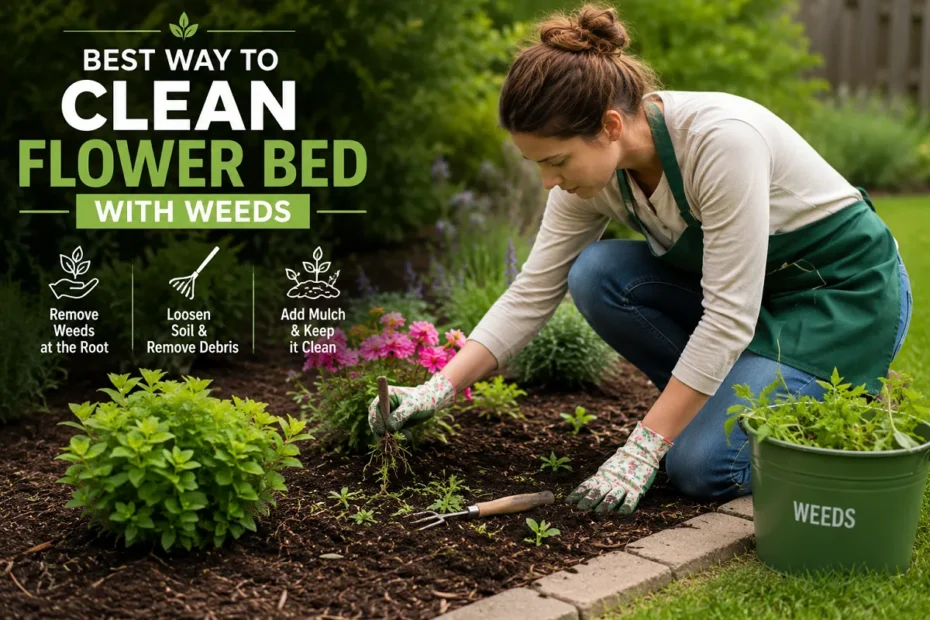
When the cool autumn winds start to blow, and the leaves on the plants spin yellow and start to fall, it is time to start preparing your vegetable garden for the winter season. Many people believe that gardening or vegetable culture is not possible during winter; However, the reality is that a proper garden cleanup in autumn can lay the foundation for a successful harvest the next spring. In this article, we will explain how to clean up your vegetable garden in preparation for winter.
When is the right time to clean the garden?
Gardening experts state that the best time to clean up the garden for the autumn season starts now, after the first killing frost. When annual plants start to dry and dry out, it is a sign that the right time has arrived to clear the garden in preparation for winter culture. If your area does not experience a killing frost, start the cleanup as soon as the plants naturally start to dry. Cleaning up before the onset of winter is also essential because disease pathogens and insect eggs can survive the cold within dead plant matter, potentially damaging the new crop the following year.
Remove dead and diseased plants
The first and very important move in cleaning the garden is to completely remove, besides the roots, all dead, dry, withered, and diseased plants. Plants such as tomatoes, chilies, eggplants, pumpkins, and ridge gourds should be the first to be removed, as they are inclined to diseases like powdery mildew and viruses that pose a danger to the new crop.
The difference between healthy and diseased plants
show no signs of disease, and if plants are strong, you can mix them into the compost stack. However, if you suspect a plant is infected with a fungal, viral, or bacterial disease, do not compost it; rather, throw it in the rubbish. Composting diseased plants can allow the disease to spread the next year again, risking and certainly destroying new plants.
Leave the roots of leguminous plants intact.
Beans, peas, and other such plants help to improve the soil. Cut the plants out of the branches, except for leaving the roots in the ground. Good bacteria are in the roots that fix nitrogen, making it good for the next year’s crops.
Cleaning of support structures and tools
Plants that are harmful to the fertility of the soil, such as tomato cages, bean poles, cucumber poles, and other such waste materials, should be removed from the garden. To level any soil, prepare a solution of two parts water and one part bleach,h and clean the soil with it, so that germs are eliminated. Similarly, gardening tools such as hand trowels, scissors, and shovels should be cleaned well to protect them from germs and to grease their metal parts to protect them from rust. And they can be used for a long time.
Increase soil protection and nutrition.
Once the garden is clean, keeping the soil clean is the most important part. Protecting your soil over the winter and making it a reality in many ways – that is, pushing production forward for the next crop.
Compost and organic matter solution
Following a thorough cleaning of the garden and removing weeds, propagate a two- to three-inch layer of compost or well-rotting manure over the soil. That will promote the soil microorganisms that recreate soil fertility above the winter, resulting in great soil composition through spring.
Mulch
After spreading a layer of compost on the ground, spread a three- to six-inch-thick layer of dry leaves, straw, or shredded leaves on top. This layer will protect the soil from erosion, maintain a suitable temperature, and prevent the growth of bacteria that destroy soil fertility. A useful thing to keep in mind for this process is that you should not lay a thick layer of mulch all at once, but first apply a light layer, and when the ground dries, apply the rest of the layer. In this way, disease-causing pathogens can be eliminated in the winter.
Plant cover crops
One of the best and most reliable ways to preserve soil during the winter is to plant cover crops. Cover crops are crops that increase the biological activity of the soil. To protect the soil from erosion and prevent the growth of weeds, crops such as winter rye, mustard,d or clover should be planted in the fall. And in the spring, they can be mixed into the soil to increase the amount of organic matter.
Get a soil test done
If you haven’t had your soil tested in a while, fall is the best time to do it. Soil tests are done to determine the pH level, phosphorus, nitrogen, and potassium content, so that you can make any necessary improvements before spring. Contact your local agricultural research institute or a local agency for soil testing.
Plan for next spring
Cleaning the crops grown in the winter is not only a time to remove weeds or clean the soil, but it is also the best time to prepare for the crops to be planted in the coming season. At this time, it should also be remembered which crop was planted in which place earlier,ier so that the previous crop is not planted in that place this time. Whenever a new crop is planted, the place should be changed every time. Doing so reduces diseases that arise in the soil. The fertility of the soil increases. Garlic or similar crops that keep their roots powerful in the winter should be planted so that they grow quickly, and a good harvest can be obtained.
FAQs:
Whose plants will be composted?
Alright, cleaning the garden before winter is a critical and good practice. In winter, disease-causing pathogens and insect eggs can live within the plant matter. If this debris is not cleared away in time, the following year’s crop could fall victim to diseases right from the start.
Should sick plants be composted?
No, diseased plants shall not be composted. House composting does not create high temperatures to kill disease-causing pathogens. Diseased plants should be disposed of in the trash or burned.
Should crops that require covering be planted?
Such crops that need to be covered should always be planted in the last days of September or the first days of October, so that the plants can take root and establish themselves before the onset of winter. Winter rye and hairy vetch are excellent choices for this purpose.
Should the mulch be thick?
A mulch layer of three to six inches is sufficient. Apply a light layer first, followed by the remainder of the mulch. When a very thick layer is useful all at once, soil-dwelling organisms may stay defended from the cold.
What garlic should be planted in the fall?
Totally, autumn is a good time to plant garlic. It grows powerful roots throughout the winter and grows fast in the spring, resulting in an earlier and better harvest.
The last thing
Cleaning up a vegetable garden before winter is not a difficult task, but here are some simple steps that can affect the health of your garden and make a significant difference in the yield in the coming year. Remove dead plants, safely dispose of diseased plants, clean and store various tools and supports, mix compost into the soil, and, if possible, plant cover crops. By following these steps, you will have a healthy, fertile, and ready garden in the spring that will give you a better harvest with less effort. Gardening live a extended-time investment, and each season’s hard work pays off in the same season.
For any suggestions or changes, please contact us.