
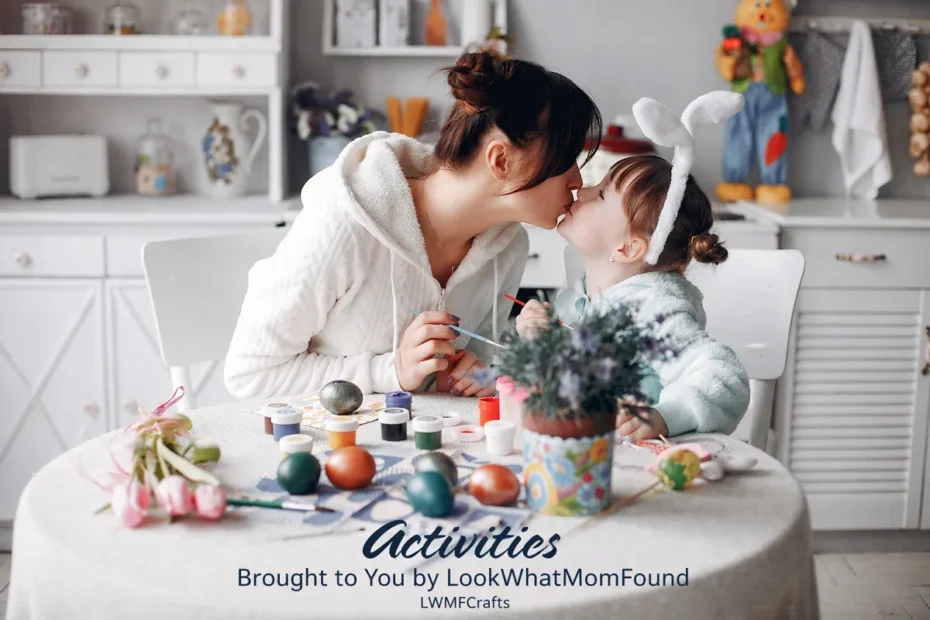
Finding meaningful ways to spend time with children has become harder in a world full of screens, schedules, and shortcuts. Yet some of the most memorable moments still come from the simplest places: a kitchen table, a pair of scissors, and a handful of craft supplies. That is the foundation behind the activities brought to you by lookwhatmomfound lwmfcrafts, a family-friendly approach to hands-on creativity that prioritizes accessibility over perfection. This guide explains what these activities are, why they work, and how parents, caregivers, and educators can put them into practice without stress or a large budget.
What Are the Activities Brought to You by LookWhatMomFound LWMFCrafts?
At their core, these activities are a collection of simple, low-cost craft and play ideas designed for families. The philosophy is straightforward: creativity should not require expensive kits, advanced skills, or complex instructions. Instead, the focus is on using everyday household items, paper, cardboard, fabric scraps, jars, buttons, and natural materials to create projects that children can complete with confidence.
What separates this approach from generic craft content is its emphasis on the process rather than the finished product. Mistakes are treated as part of learning. Children are encouraged to experiment, and parents are invited to participate as collaborators, not instructors. The result is an activity model that supports skill development while protecting the joy of making something by hand.
Who These Activities Are Designed For
The projects are intentionally broad in scope. Toddlers benefit from sensory-focused activities like homemade playdough and textured collages. Elementary-age children gravitate toward paper crafts, recycled projects, and simple science experiments. Older kids and teens often prefer personalized work — painted jars, beaded jewelry, journaling combined with illustration, and room decor they can display. Adults, meanwhile, use the same framework as a way to unwind, limit screen time, and reconnect with their children.
Why Hands-On Crafting Still Matters
Research in child development consistently supports the value of tactile, open-ended play. The activities brought to you by lookwhatmomfound lwmfcrafts align with several of these well-established principles.
Developmental Benefits for Children
Cutting, folding, gluing, and sorting strengthen fine motor skills that children rely on for writing and self-care tasks. Open-ended projects build problem-solving ability because they require decisions — which color, which shape, how to fix a mistake. Completing a project also reinforces patience and follow-through, two skills that are difficult to teach through instruction alone.
Emotional and Family Benefits
Crafting together creates space for conversation that does not always happen during homework or meals. Parents often notice that children share stories, ideas, and worries more freely when their hands are busy. For adults, the repetitive nature of simple crafts has a calming effect similar to other mindfulness practices, making the activity restorative rather than draining.
Practical Categories of Projects to Try at Home
Rather than listing dozens of ideas, it helps to understand the main categories these activities fall into. This makes it easier to choose something that fits your supplies, time, and your child’s age.
Recycled and Upcycled Crafts
Cardboard boxes become dollhouses. Egg cartons turn into caterpillars or planters. Glass jars, once washed, can be painted and used as storage or gifts. These projects teach resourcefulness and introduce basic environmental concepts without requiring a formal lesson.
Nature-Based Activities
A walk outside doubles as a material collection. Leaves, pebbles, sticks, and pressed flowers can become bookmarks, wall hangings, or painted decor. This category is particularly useful for families who want to combine outdoor time with indoor creativity.
Sensory Play
Homemade playdough, colored rice bins, and textured collages give younger children a safe way to explore touch, color, and smell. Most recipes use pantry staples, flour, salt, water, and food coloring, which keeps the cost low and the safety high.
Seasonal and Holiday Projects
Themed crafts tied to holidays give families a reason to revisit creative time throughout the year. Paper tulips for spring, painted pumpkins for fall, and simple ornaments for winter all fit this category. The seasonal element helps children connect crafts to memory and tradition.
Guidelines for Making These Activities Work
A few practical habits make the difference between a craft session that flows and one that ends in frustration.
Match the Project to the Child
Choose activities that suit the youngest participant’s ability, then offer optional extensions for older children. This prevents boredom on one end and overwhelm on the other.
Prepare the Space Before You Start
Lay out materials, cover the surface, and keep a damp cloth nearby. A well-prepared workspace reduces interruptions and lets children focus on the work.
Keep Sessions Short
Twenty to thirty minutes is often enough. Ending while interest is still high leaves children excited to return, rather than associating crafts with fatigue.
Prioritize Safety
Use non-toxic paints and glues, child-safe scissors, and supervise any activity involving small parts or heat. This is especially important for children under five.
Focus on Effort, Not Outcome
Praise the choices your child made rather than how the project looks. This builds creative confidence and keeps the experience positive.
Frequently Asked Questions
What age range are these activities best for?
Most projects can be adapted for ages two through twelve, with simpler versions for toddlers and more detailed variations for older children. Teens and adults can also enjoy the same ideas at a more advanced level.
Do I need to buy special supplies?
No. The approach is built around household items, paper, cardboard, jars, fabric scraps, and basic art supplies. Occasional additions like washable paint or glue sticks are usually enough.
How much time should I set aside?
Short sessions of 20 to 30 minutes work best, especially for younger children. Longer projects can be split across multiple days.
Are these activities educational or just for fun?
Both. They support fine motor development, problem-solving, and creativity while remaining enjoyable. The learning happens naturally through doing.
Can these crafts work for group settings like classrooms?
Yes. The simple material list and flexible steps make them well-suited for classrooms, after-school programs, and community groups.
Final Thoughts
The value of the activities brought to you by lookwhatmomfound lwmfcrafts lies not in elaborate results but in the shared experience of making something together. With modest supplies, a prepared space, and a willingness to follow a child’s lead, any family can turn an ordinary afternoon into something worth remembering. The goal is not a perfect craft; it is a stronger connection, a sharper imagination, and a quiet reminder that creativity is already within reach.
For more informational articles, please visit: Bismaz